Hose Sales: How to Choose the Right Industrial Hose for Your Application
Choosing the right industrial hose is one of the most important decisions for any operation that moves fluids, gases, or abrasive materials under pressure. Whether you work in mining, construction, agriculture, or manufacturing, the wrong hose can lead to costly failures, safety incidents, and unplanned downtime. Hose sales in Mackay, QLD, cover a broad range of products, and understanding what separates one type from another will help you make a smarter, longer-lasting choice for your specific application.
Mackay, QLD, sits at the heart of one of Australia's most active industrial regions. With large-scale coal mining operations, port logistics, sugar cane farming, and civil construction all running simultaneously, the demand for reliable industrial hoses across different sectors is significant. For anyone exploring hose distribution in this region, knowing which hose type suits your environment is not just a matter of performance; it is a matter of worker safety and operational continuity.
Why the Right Industrial Hose Selection Matters
Not all hoses are built the same way. Each one is engineered for a specific pressure rating, temperature range, fluid type, and environmental condition. Using a hose outside of its rated specifications puts your equipment, your crew, and your site at serious risk.
A hose that fails under pressure can cause injuries, contaminate work sites, and trigger expensive shutdowns. On the other hand, selecting the correct hose for your application means fewer replacements, better system efficiency, and longer service life. Getting this decision right from the start saves time and money over the long term. This is why hose sales should always be approached with attention to specification, not just availability or price.
Key Types of Industrial Hoses and Their Applications
Industrial hoses come in a wide range of types, each engineered to handle specific materials, pressures, and environments across countless applications.
Hydraulic Hoses
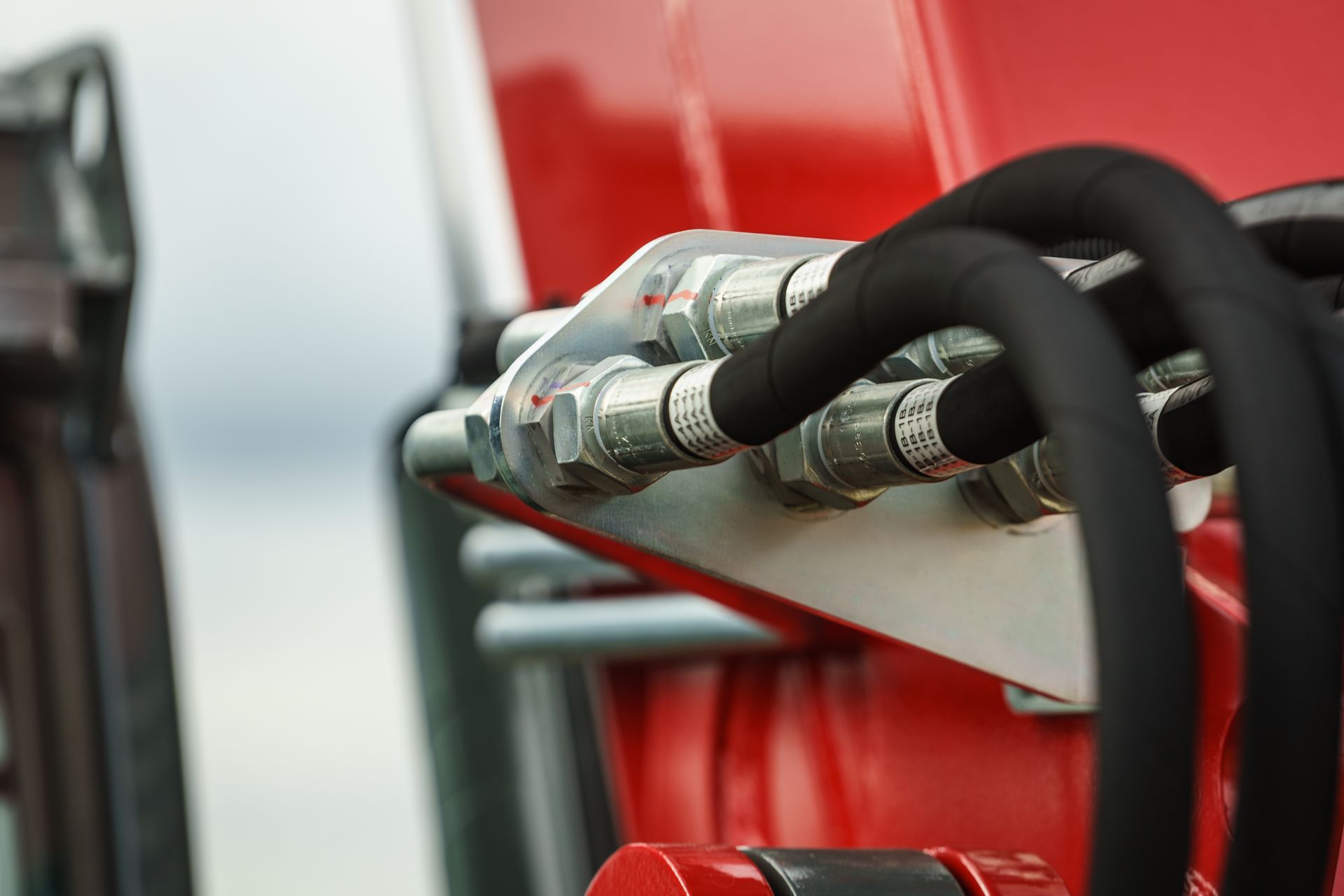
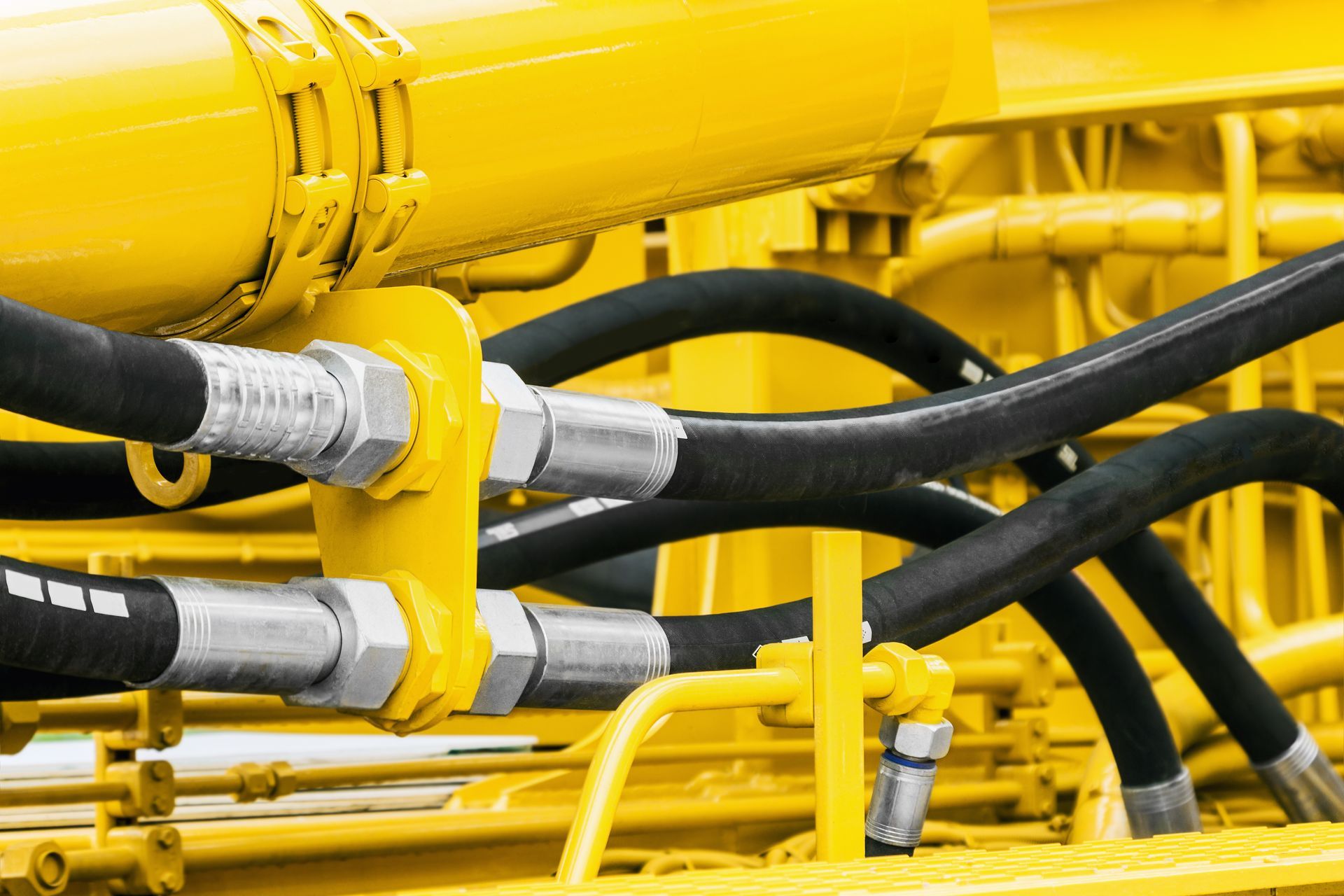
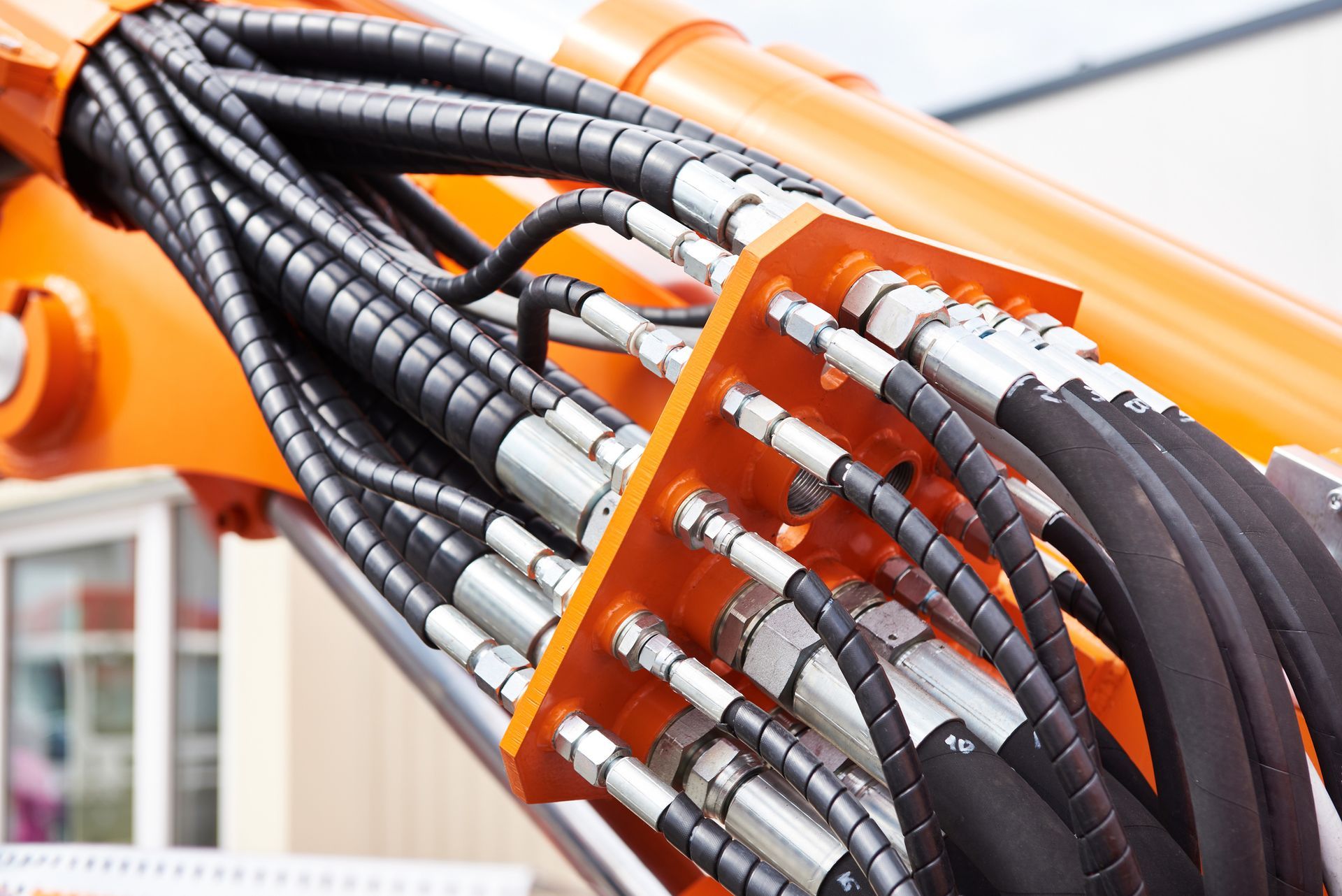
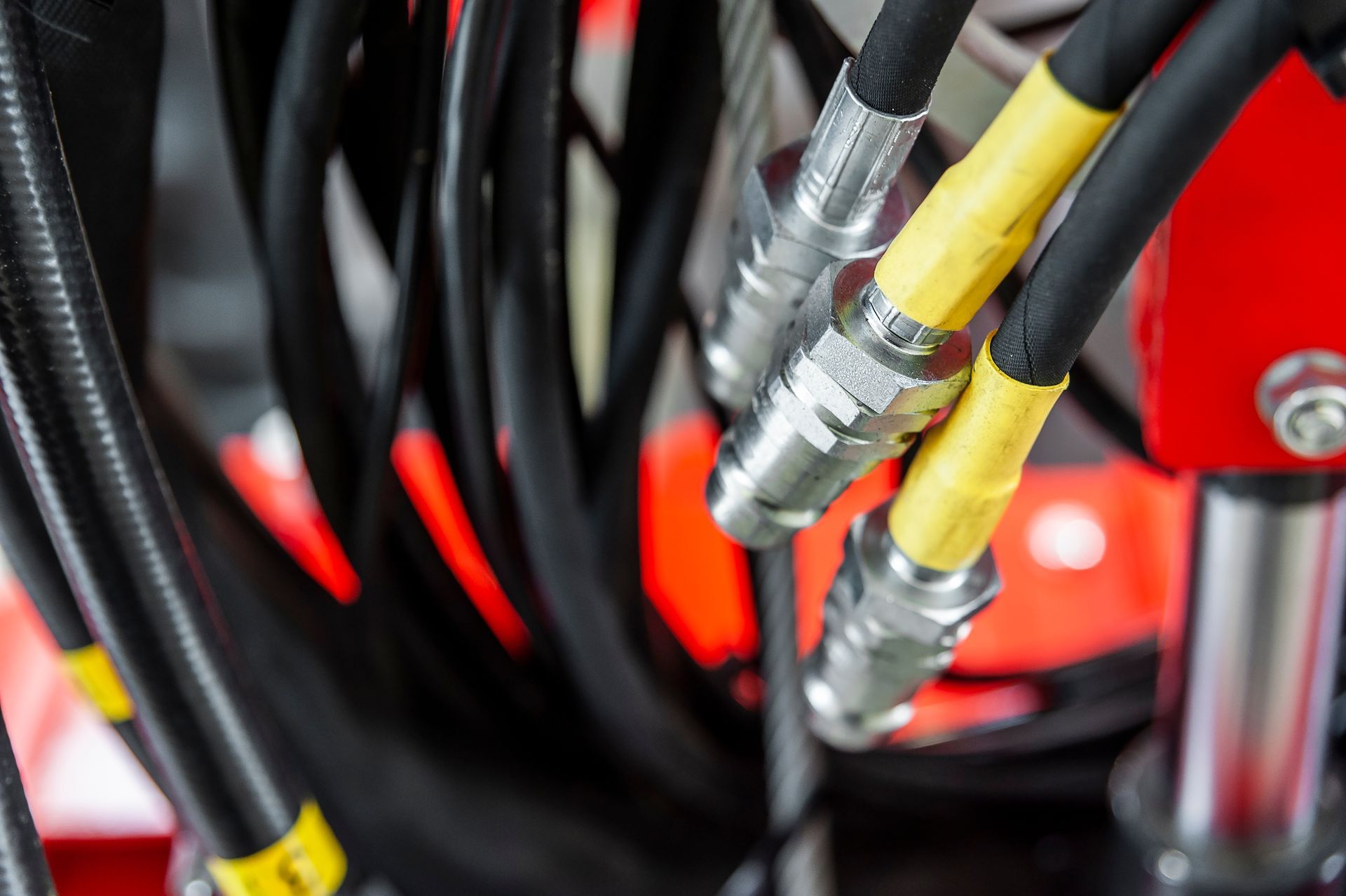
Hydraulic hoses carry pressurised fluid to power machinery and equipment. They are used in excavators, forklifts, agricultural machinery, loaders, and a wide range of heavy plant equipment.
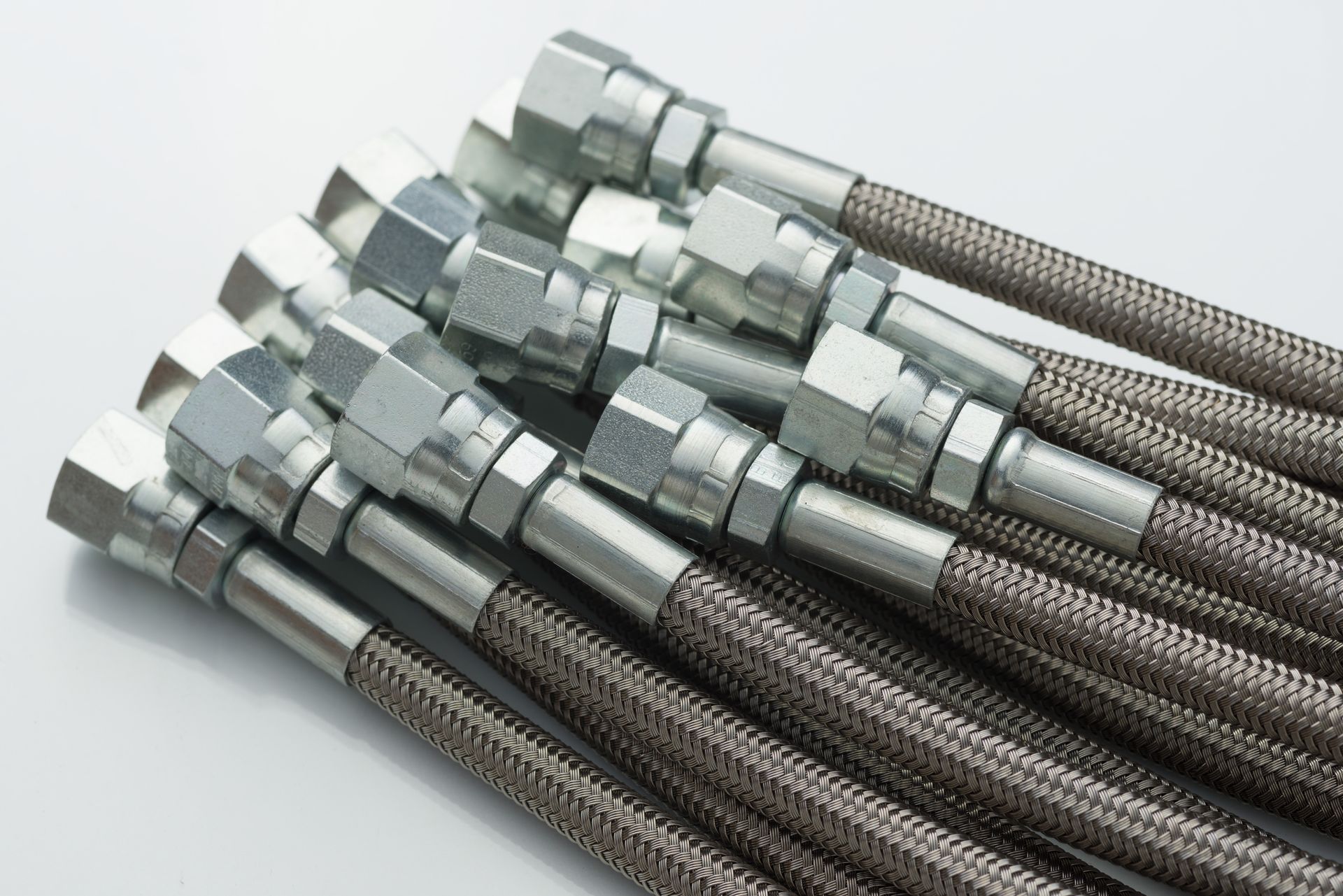
These hoses are built to withstand high pressure, often rated to thousands of kilopascals. They typically feature a reinforced braided or spiral-wound steel construction beneath a flexible outer cover. When selecting a hydraulic hose, you need to match the working pressure rating to your system's maximum operating pressure, including any pressure spikes.
Hydraulic hoses must also be compatible with the type of hydraulic fluid used in your system, whether that is mineral oil, synthetic fluid, or a water-glycol mix. Incorrect fluid compatibility can cause the inner lining to degrade rapidly, leading to contamination and failure.
Chemical Hoses
Chemical hose sales are designed for the transfer of acids, solvents, alkalis, and other aggressive substances. They are common in industrial processing, water treatment, and laboratory environments.
The inner tube material is the most critical factor when selecting a chemical hose. Common inner liner materials include UHMWPE (ultra-high molecular weight polythene), PTFE (polytetrafluoroethylene), and EPDM rubber. Each material has different resistance properties to specific chemicals, and using the wrong liner can result in chemical degradation, leaks, and hazardous spills.
Always refer to a chemical compatibility chart before selecting a hose for corrosive applications. Temperature range is also important, as some chemicals react differently to heat, increasing pressure and accelerating wear.
Water Hoses
Water hoses are among the most widely used across industries, including construction, firefighting, irrigation, and general site maintenance. While water seems straightforward to handle, the pressures and volumes involved in industrial applications require careful hose selection.
Factors to consider include the working pressure, hose diameter, and whether the water is potable, recycled, or mixed with chemicals such as herbicides or fertilisers. For high-volume transfer, a larger-bore hose reduces friction loss and maintains flow rate. In agricultural applications across the Mackay, QLD, region, hose sales need to handle UV exposure, heat, and variable pressures during long irrigation seasons.
Mining Hoses
Mining is one of the most demanding environments for industrial hoses. Hoses used in underground or open-cut mining must deal with abrasion, high pressure, extreme temperatures, and exposure to rock dust, coal dust, and various fluids.
Mining hoses are subject to strict safety requirements, particularly in underground environments where antistatic and fire-resistant properties are mandatory. In Queensland, mining hoses used underground must comply with relevant Australian standards, including those covering electrical resistance to prevent static discharge in gas-rich environments.
Common mining hose applications include ventilation ducting, water supply, slurry transfer, and hydraulic power for drilling and cutting machinery. Given Mackay, QLD's proximity to the Bowen Basin, one of Australia's largest coal-producing regions, mining hose specifications are particularly relevant for operators in this area. When sourcing hose sales for mining applications, compliance with these standards should be non-negotiable.
Fuel Hoses
Fuel hoses are used to transfer petrol, diesel, aviation fuel, and other petroleum products. They are found in service stations, mining camps, marine vessels, and fuel delivery equipment.
The inner tube of a fuel hose must be resistant to hydrocarbon swelling. Standard rubber hoses are not suitable for fuel transfer, as hydrocarbons break down the rubber over time, leading to contamination and potential fire hazards. Fuel hoses are typically constructed with a nitrile or fluorocarbon inner liner.
Pay attention to the hose's pressure and temperature ratings, as well as its compliance with relevant Australian standards for fuel transfer. Fitting type and end connections also matter, as poor connections are a leading cause of fuel leaks on site.
Key Factors to Consider Before You Purchase Industrial Hoses
When you are ready to purchase industrial hoses, it pays to assess each of the following factors carefully before committing to a product.
Pressure Rating
Every hose has a maximum working pressure (MWP) and a burst pressure rating. Select hose sales whose MWP is at or above your system's maximum operating pressure. Factor in pressure surges, as real-world systems often generate brief spikes well above their average operating pressure.
Material Compatibility
Confirm that both the inner tube and outer cover of the hose are chemically compatible with the fluids and environment they will be exposed to. This includes the transfer medium, any cleaning agents, and environmental exposure such as UV radiation, ozone, saltwater, or abrasive dust.
Temperature Range
Hoses have both minimum and maximum temperature ratings. Operating outside these ranges causes the hose material to become brittle, soft, or to degrade prematurely. In Mackay, QLD's climate, high ambient temperatures can push hose surface temperatures well above air temperature when hoses are exposed to direct sunlight.
Bend Radius
Every hose has a minimum bend radius. Bending a hose tighter than this rating causes kinking, which restricts flow and damages the internal structure. When routeing hoses through tight spaces or around machinery, always check this specification.
End Fittings and Connections
The hose assembly is only as reliable as its end fittings. Mismatched fittings, incorrect crimping, or worn connections are common causes of hose failure. Always use fittings that are rated for the same pressure as the hose itself, and have hose sales and assemblies inspected and tested before putting them into service.
How to Inspect and Maintain Your Industrial Hoses
Selecting the right hose is only part of the equation. Regular inspection and maintenance extend hose life and reduce the risk of unexpected failures.
Look for the following during routine checks:
- Visible cracks, cuts, or abrasions on the outer cover.
- Blistering or bubbling, which indicates inner tube failure.
- Stiff or kinked sections, which restrict flow and put stress on the hose wall.
- Corrosion or leakage at end fittings.
- Any discolouration or swelling that suggests chemical incompatibility.
Replace hoses that show any of these signs immediately. In high-risk environments such as underground mining or chemical processing, scheduled replacement intervals are recommended regardless of visible condition.
You can learn more about hydraulic hose servicing and replacement to understand the full scope of maintenance options available.
Understanding Hose Sales: What to Look for in a Supplier
Not every hose supplier offers the same level of product knowledge or range. When choosing a supplier for your industrial hoses, consider the following:
- Product range: A quality supplier should stock hoses for multiple industries and applications, from hydraulics to chemical transfer.
- Technical support: Your supplier should be able to help you select the correct hose for your application, not just hand over a product.
- Compliance and standards: All hoses should meet or exceed relevant Australian standards for safety and performance.
- Custom assembly: Many applications require hoses cut to specific lengths and fitted with custom end fittings. Look for a supplier that can fabricate complete assemblies on site.
- Emergency availability: In industries like mining and construction, hose failures do not wait for business hours. A supplier with after-hours support is a significant advantage.
For businesses operating across the hose distribution market in Mackay, QLD, these factors directly affect both safety outcomes and operational uptime. Comparing hose sales options before committing to a supplier can make a meaningful difference to long-term reliability.
Common Mistakes When Selecting Industrial Hoses
Even experienced maintenance staff can fall into the following traps when sourcing hoses:
- Choosing by price alone without checking specifications against application requirements.
- Reusing old hoses in new, higher-pressure applications they were not rated for.
- Ignoring minimum bend radius requirements during installation.
- Failing to confirm chemical compatibility before using a hose with a different fluid.
- Skipping regular inspection intervals in favour of a run-to-failure approach.
Each of these mistakes increases the risk of hose failure in service, which can cause injury, downtime, and damage to connected equipment.
Getting the Right Advice for Your Application
If you are uncertain about which hose type or specification is right for your application, consult a qualified supplier with experience across multiple industries. Provide them with details about the fluid being transferred, the system's operating pressure and temperature range, the environment the hose will operate in, and any relevant compliance requirements.
A knowledgeable supplier will use this information to match you with the correct product, the appropriate fittings, and the right assembly method. This upfront investment in the right advice pays off through longer hose life, fewer breakdowns, and safer operations. Whether you are making a single purchase or evaluating ongoing hose sales arrangements, getting the specification right from the outset is always the better approach.
If you are ready to discuss your hose requirements or need a quote, get in touch via the contact page to speak with a specialist.
Serving Industrial Operations Across Mackay, QLD
Mackay, QLD, is home to a diverse range of industries, each with its own specific hose requirements. Coal mining operations in the Bowen Basin require hoses that meet strict underground safety standards. Sugar cane processing facilities need chemical-resistant hoses for handling cleaning agents and process fluids. Port and marine operations call for hoses rated for saltwater exposure and fuel transfer.
Understanding these industry-specific demands is essential for anyone looking to purchase industrial hoses that will perform reliably in Central Queensland's challenging conditions. The region's tropical climate, with its heat, humidity, and wet-season rainfall, also places additional demands on hose materials and outer cover durability. Local hose sales options that understand these conditions are better placed to recommend products that will hold up over time.
Call Total Hose Mackay Today!
Total Hose Mackay is a locally based hose sales supplier serving the industrial, mining, agricultural, and construction sectors. If you need guidance on hose selection, require a custom hose assembly, or want to explore the full range of industrial hose products available, call
0407 744 654 for service and repairs. You can explore the
full range of hydraulic hose services to find the right solution for your operation.